

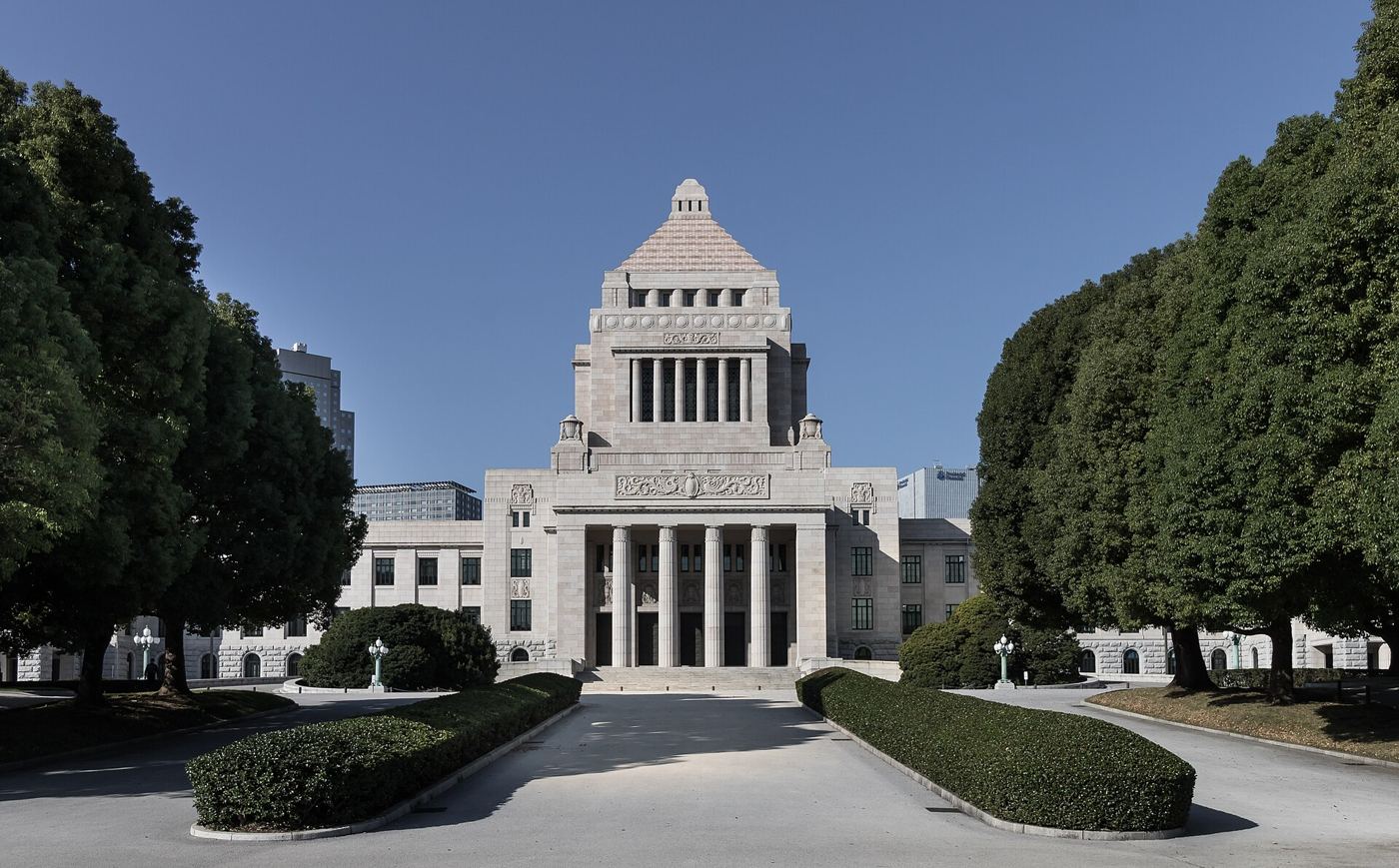
Japan’s cabinet has approved a 21.3-trillion-yen stimulus package, worth about 135 billion dollars, the largest since the Covid pandemic. The package was approved on 21 November 2026, the first major economic initiative under Prime Minister Sanae Takaichi, who took office last month and champions what she calls responsible and proactive fiscal policy. General account spending of 17.7 trillion yen is nearly 4 trillion yen more than last year’s package of 13.9 trillion yen. The package also includes 2.7 trillion yen of tax cuts, from scrapping the gasoline tax surcharge and raising the income tax threshold. Spending is split between 8.9 trillion yen for livelihoods and high prices, 6.4 trillion yen for crisis management and economic growth, and 1.7 trillion yen for defence and diplomacy. Families will receive 20,000 yen per child, and energy bills will be subsidised by about 7,000 yen per average household over the first three months of next year.
What the Evidence Shows
The government plans to submit a supplementary budget to fund the package, aiming for parliamentary approval by the end of the year, with subsidies and grants starting in January. About 11.7 trillion yen of the spending will be funded by new government bonds, roughly 64 percent of the supplementary budget, with the rest covered by higher-than-expected tax revenue and surpluses. Financial markets have reacted warily since Takaichi took office, with the yen weakening and bond yields rising, and the reaction intensified after the package was announced. Japan already carries one of the heaviest public debt loads in the developed world, and economists warn the stimulus pushes the goal of a primary budget surplus further out of reach. The government expects the package to lift GDP by 24 trillion yen, an annualised rate of 1.4 percent. Reporting and analysis from sources such as International Monetary Fund track the same developments, and specialists following Japan’s ¥21.3 trillion stimulus package say the direction is now consistent across independent lines of evidence.
The Wider Context
The wider context is a financial system repricing risk after a long era of cheap money. Decisions shaped by Japan’s ¥21.3 trillion stimulus package are being made under closer supervisory attention, with stress tests and disclosure rules that assume conditions can worsen quickly. Institutions that planned for the benign case are adjusting in public, which is uncomfortable and healthy in equal measure.
What Happens Next
What happens next with Japan’s ¥21.3 trillion stimulus package will be visible first in the data that professionals watch weekly: flows, spreads and the terms on new deals. Participants who spoke for this article expect a period of adjustment rather than drama, with the biggest effects landing on those who assumed the old conditions were permanent. Planning, as ever, is the cheapest hedge. You can follow related developments in our coverage of finance.
There is a practical lesson in all of this for readers deciding what to do today. Start with the verified facts, be wary of anyone promising certainty, and prefer reversible steps while the evidence is still developing. Circumstances differ by country, income and personal situation, so general guidance should always be weighed against your own context before you act on it in any significant or lasting way.
