

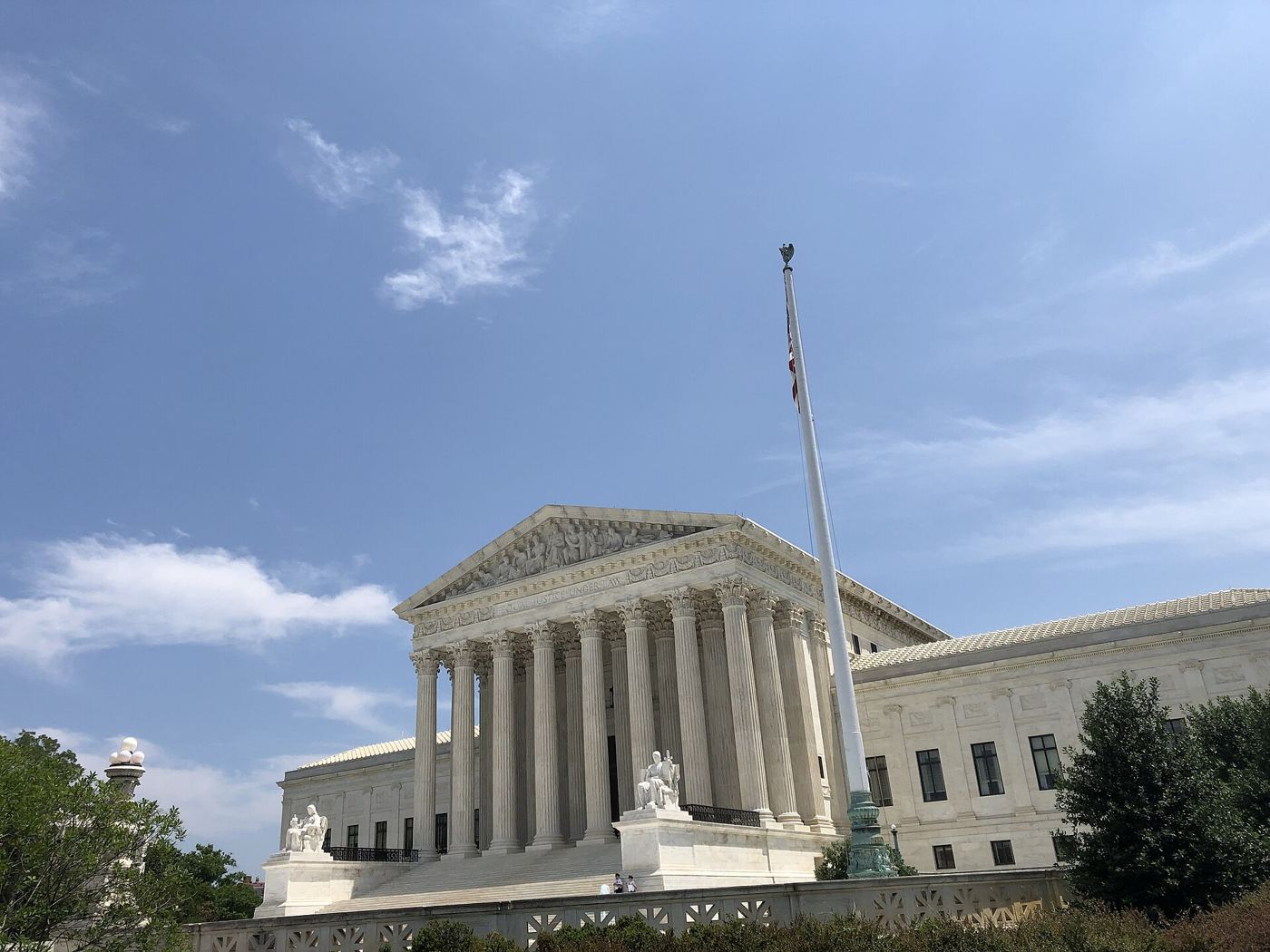
The fate of President Donald Trump’s sweeping tariffs reached the US Supreme Court on 5 November 2025, in one of the most consequential economic cases in years. The justices heard more than two and a half hours of argument, against 80 minutes scheduled, in two consolidated cases, Learning Resources v. Trump and Trump v. V.O.S. Selections, brought by small businesses and a coalition of states. At issue is whether the International Emergency Economic Powers Act of 1977, a law that says nothing about tariffs, authorises the president to impose them, and whether Congress could lawfully hand that power over. Three lower courts had already ruled that the law does not authorise the tariffs. The tariffs in question include the fentanyl-related duties on China, Canada and Mexico and the worldwide reciprocal tariffs announced in April 2025, which the administration imposed by declaring national emergencies over drug trafficking and persistent trade deficits. Justices from both wings of the court sounded sceptical of the government’s case, pressing the solicitor general to point to any other place in the law where ‘regulate importation’ had ever been read as a power to tax.
What the Evidence Shows
The stakes are enormous. American businesses have already paid billions of dollars under the tariffs, and a ruling against the government would raise the question of whether that money must be refunded, a problem Justice Amy Coney Barrett pressed the challengers on directly. Businesses are already adapting, with some importers stockpiling goods, others shifting suppliers, and many passing the extra cost to customers through higher prices. A decision is expected quickly, possibly before the end of 2025, because both sides sought expedited treatment. If the tariffs fall, the administration would need Congress to impose them instead, which would be a very different political exercise. If they survive, the ruling would confirm a sweeping presidential power over trade. Either way, the case will shape how America taxes imports, and how much power future presidents have to do it alone. Reporting and analysis from sources such as International Monetary Fund track the same developments, and specialists following Supreme Court tariff case say the direction is now consistent across independent lines of evidence.
The Wider Context
The wider context is a financial system repricing risk after a long era of cheap money. Decisions shaped by Supreme Court tariff case are being made under closer supervisory attention, with stress tests and disclosure rules that assume conditions can worsen quickly. Institutions that planned for the benign case are adjusting in public, which is uncomfortable and healthy in equal measure.
What Happens Next
What happens next with Supreme Court tariff case will be visible first in the data that professionals watch weekly: flows, spreads and the terms on new deals. Participants who spoke for this article expect a period of adjustment rather than drama, with the biggest effects landing on those who assumed the old conditions were permanent. Planning, as ever, is the cheapest hedge. You can follow related developments in our coverage of finance.
There is a practical lesson in all of this for readers deciding what to do today. Start with the verified facts, be wary of anyone promising certainty, and prefer reversible steps while the evidence is still developing. Circumstances differ by country, income and personal situation, so general guidance should always be weighed against your own context before you act on it in any significant or lasting way.
