

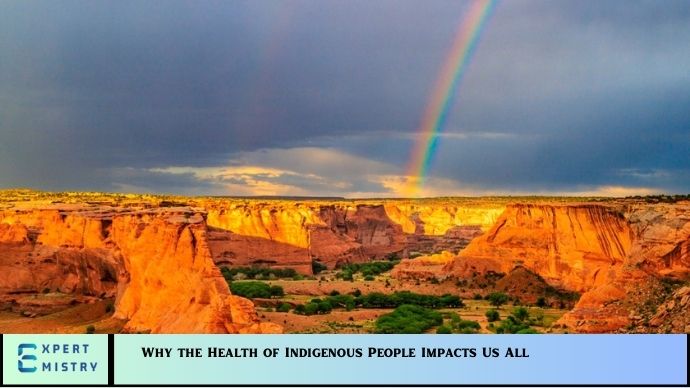
The health and well-being of Indigenous peoples are often overlooked in discussions about global health, but they are essential to the broader conversation. Indigenous communities, which make up around 5% of the world’s population, are facing disproportionately poor health outcomes. Despite this, their cultural, ecological, and economic contributions have a far-reaching impact on all of us. When Indigenous people thrive, their well-being has ripple effects that benefit global health, environmental sustainability, and cultural diversity.
In this article, we will explore why the health of Indigenous peoples is not just a matter of local concern but one that affects the global community. By addressing their health disparities, we contribute to a more equitable world that benefits us all.
1. Understanding the Health Disparities Facing Indigenous Peoples
Indigenous peoples around the world experience significant health disparities when compared to the general population. These disparities are not merely statistical; they reflect real challenges that affect millions of individuals. Indigenous communities in both developed and developing nations face higher rates of:
- Chronic Diseases: Indigenous peoples are more likely to suffer from chronic conditions such as heart disease, diabetes, and respiratory illnesses.
- Infant Mortality: Rates of infant mortality in Indigenous communities are higher than the national averages in many countries.
- Mental Health Issues: Higher levels of depression, suicide, and substance abuse are also prevalent in many Indigenous populations, often exacerbated by historical trauma and ongoing discrimination.
- Limited Access to Healthcare: Many Indigenous communities live in remote areas where healthcare access is limited or nonexistent. Even when healthcare services are available, they are often underfunded or culturally inappropriate.
The health challenges faced by Indigenous peoples are deeply rooted in centuries of social and political marginalization, colonialism, and displacement. Addressing these disparities is not only a matter of justice for these communities, but it also has broad implications for global health outcomes.
2. The Link Between Indigenous Health and Global Health
The health of Indigenous peoples directly affects global health in several key ways:
Pandemics and Disease Control
Indigenous communities have historically been vulnerable to infectious diseases, often with devastating outcomes. When infectious diseases spread in Indigenous populations, they can easily spill over into the general population due to close proximity or travel between rural and urban areas. A prime example is the COVID-19 pandemic, which disproportionately affected Indigenous peoples worldwide. With limited access to healthcare and existing health conditions, Indigenous communities suffered higher rates of infection and mortality.
Supporting the health of Indigenous peoples helps prevent the spread of infectious diseases, which benefits global public health efforts. Additionally, Indigenous communities often serve as sentinels for emerging diseases due to their close connection to the environment and wildlife.
Traditional Medicine and Healthcare Innovations
Indigenous peoples possess a wealth of knowledge about plant-based medicine, healing practices, and natural remedies. Many modern medicines have been derived from traditional Indigenous knowledge of medicinal plants and healing techniques. For example, the use of willow bark by Indigenous peoples to treat pain inspired the creation of aspirin, a widely used drug.
By protecting Indigenous health and preserving their knowledge systems, we are safeguarding valuable information that can contribute to medical research and the development of new treatments. This form of “biocultural conservation” can open the door to new solutions for global health challenges.
3. Environmental Sustainability and Indigenous Health
One of the most profound ways in which Indigenous peoples impact the global community is through their role as guardians of the environment. Indigenous peoples live on approximately 25% of the Earth’s surface, but their lands contain more than 80% of the planet’s biodiversity. This connection between health and the environment is a two-way street—when Indigenous peoples’ health suffers, so does the health of the environment.
Climate Change and Health
Indigenous communities are on the frontlines of climate change, with many living in regions most affected by extreme weather events, such as floods, droughts, and rising sea levels. These changes directly affect their health—through disruptions to food and water supplies, increased exposure to disease, and the loss of traditional lifestyles. For example, melting glaciers in the Arctic impact the health of Indigenous communities who depend on traditional hunting and fishing practices.
At the same time, Indigenous peoples are some of the best environmental stewards, practicing sustainable methods of agriculture, land management, and resource conservation. Their knowledge of sustainable ecosystems, passed down for generations, is invaluable in the fight against climate change.
Deforestation and Loss of Biodiversity
The destruction of the natural environments in which Indigenous peoples live—through deforestation, mining, and industrial agriculture—has direct health consequences. When the environment is degraded, Indigenous communities lose access to traditional food sources, clean water, and medicinal plants. This also contributes to broader environmental health problems, such as air and water pollution, which ultimately affect global health.
By supporting the health and well-being of Indigenous peoples, we are also investing in the health of the planet. Protecting their lands helps preserve biodiversity, mitigates the effects of climate change, and contributes to a healthier world for everyone.
4. Cultural Diversity and Knowledge Preservation
Indigenous peoples are the stewards of rich cultural knowledge, much of which is directly tied to their physical and mental well-being. Their health is not just an individual concern but an issue tied to the survival of unique languages, traditions, and practices that are integral to humanity’s diversity.
Language and Identity
Many Indigenous cultures are deeply intertwined with their languages. When Indigenous peoples face health challenges, it often leads to a breakdown in cultural transmission, as younger generations may not learn traditional languages or practices. This cultural erosion can exacerbate mental health issues, as identity and culture are essential to an individual’s sense of belonging and well-being.
Protecting the health of Indigenous peoples also helps preserve cultural heritage. When their communities thrive, their languages and traditions continue to be passed down, enriching the world’s cultural diversity.
Traditional Ecological Knowledge
Indigenous knowledge systems have long been a source of ecological wisdom, particularly regarding sustainable agricultural practices, wildlife management, and conservation. This knowledge is becoming increasingly important in the face of global challenges such as climate change and biodiversity loss.
By supporting Indigenous health, we are also safeguarding these knowledge systems, which are crucial for creating a more sustainable and resilient future for all.
5. The Economic Impact of Indigenous Health
Indigenous health is not only a moral or social concern but also an economic one. The economic potential of Indigenous communities is closely tied to their health. When Indigenous people suffer from preventable diseases, when their children have high rates of malnutrition or mortality, and when their workforce is impaired by chronic illness, the broader economy suffers.
Productivity and Development
Investing in Indigenous health results in greater economic productivity. Healthy Indigenous communities contribute to the workforce, engage in sustainable economic activities, and drive local development. Moreover, Indigenous peoples are crucial players in industries like agriculture, tourism, and natural resource management, which are vital to global markets.
By improving Indigenous health, we create stronger, more resilient economies, both at the local and global levels.
6. How We Can Support Indigenous Health and Well-Being
Addressing the health disparities faced by Indigenous peoples requires a multifaceted approach. Here are a few key ways we can help:
- Advocating for Access to Healthcare: Ensure that Indigenous communities have access to high-quality healthcare services, particularly in remote or rural areas.
- Respecting Traditional Healing Practices: Recognize and integrate Indigenous knowledge and practices into modern healthcare systems.
- Supporting Land and Environmental Rights: Protect Indigenous lands from exploitation, and support sustainable land use practices.
- Promoting Education and Awareness: Educate the public about the unique challenges faced by Indigenous peoples, and support initiatives that promote their well-being.
- Encouraging Political Representation: Ensure that Indigenous voices are heard in policy decisions related to healthcare, land rights, and cultural preservation.
Supporting Indigenous health is not just about improving outcomes for one group of people—it’s about promoting global health, environmental sustainability, and cultural diversity for all.
May you also like it:
Top 20 Most Popular Types of Blogs in 2024
Managing Your Digital Footprints: Essential Tips for Online Privacy
Internet Exchange Points in Argentina: Network Infrastructure Improves the Balance of Trade
Conclusion
The health of Indigenous peoples is a global issue that impacts us all. Their well-being is intertwined with global health, environmental sustainability, and the preservation of cultural diversity. By addressing health disparities and supporting Indigenous communities, we not only help them but also contribute to a healthier, more equitable world for everyone. The challenges are significant, but the rewards of supporting Indigenous health are even greater—creating a more sustainable, just, and interconnected global society.
FAQ
Why should we care about Indigenous health?
The health of Indigenous peoples affects global health outcomes, environmental sustainability, and cultural diversity. Supporting their well-being benefits everyone.
What are the major health issues facing Indigenous peoples?
Indigenous peoples face higher rates of chronic diseases, mental health challenges, limited access to healthcare, and higher infant mortality.
How does Indigenous health impact the environment?
Indigenous peoples are stewards of the land and their health is linked to environmental well-being. Their knowledge of sustainable practices helps protect biodiversity.
How can supporting Indigenous health help the global economy?
Healthy Indigenous communities contribute to the workforce, local economies, and sustainable industries like agriculture and tourism.
What can be done to improve Indigenous health?
Improving access to healthcare, respecting traditional healing practices, protecting lands, and promoting education and political representation are key steps.
