

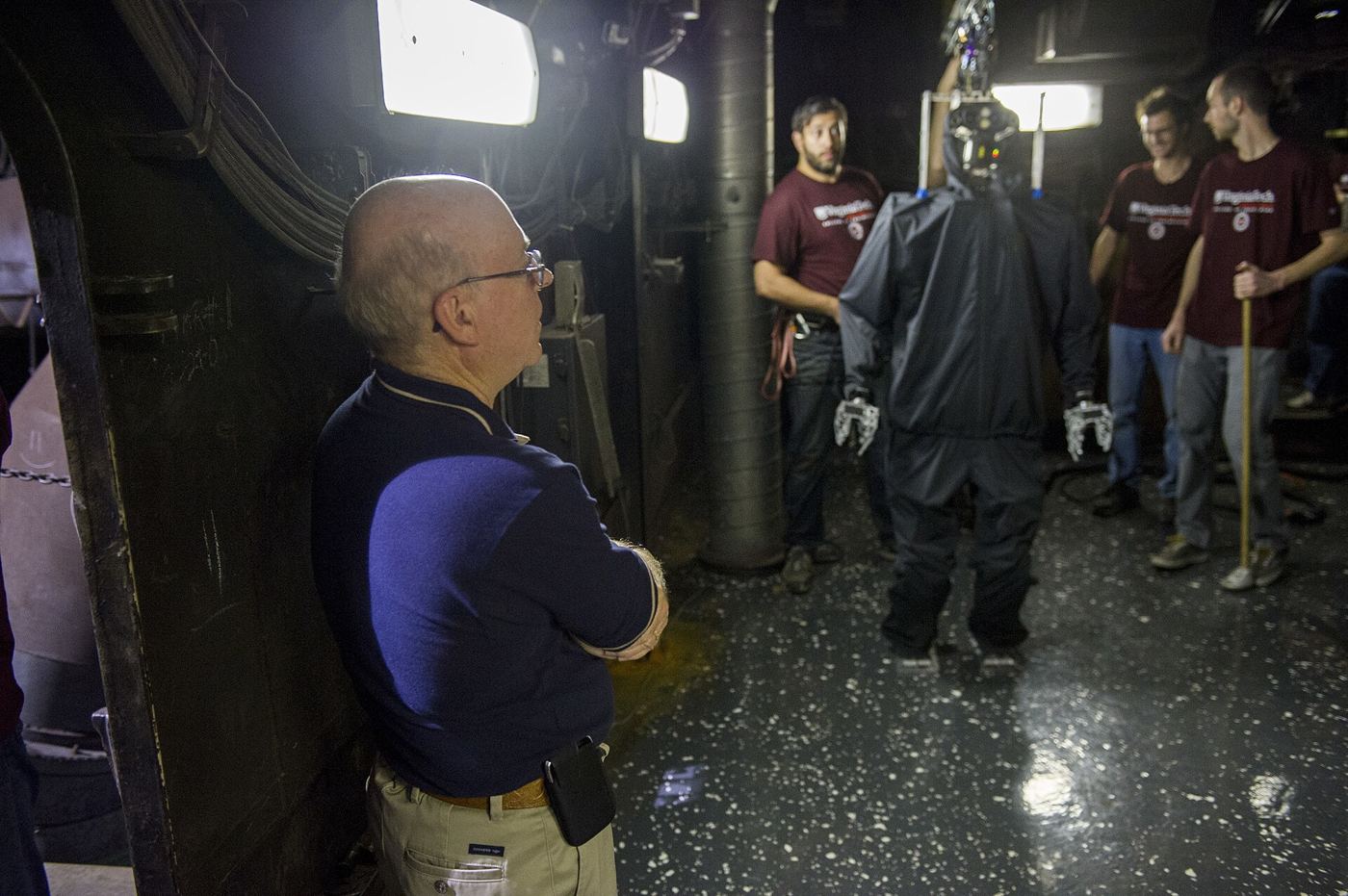
Humanoid robots are being put through patient, repetitive trials in laboratories and mock warehouses, learning to walk aisles, pick up boxes and place items on shelves in spaces designed for people. The appeal of a human-like form is practical rather than theatrical. Warehouses already have human height shelving, doors, trolleys and tools, so a robot that can share that environment avoids a costly rebuild around specialised machinery. Current trials focus on narrow, measurable jobs, such as moving standard totes between stations, while researchers record every stumble, dropped item and recovery to understand reliability honestly. Progress is visible in smoother walking, better balance when nudged and grippers that judge force more delicately, yet speeds remain well below an experienced worker and supervision is constant. Safety systems dominate the engineering, with sensors that stop movement when people approach and strict limits during testing alongside staff. Developers are careful to publish realistic success rates, after years in which polished demonstration videos promised more than daily operation could deliver. The question these trials are answering is not whether a humanoid robot can perform a task once on camera, but whether it can repeat it thousands of times, safely and economically, on ordinary working days.
What the Evidence Shows
Economics will decide deployment as much as engineering. A humanoid machine must justify its purchase, maintenance and energy costs against simpler wheeled robots and against human labour supported by better equipment. Early roles are therefore likely in facilities struggling to staff night shifts or in tasks with high injury rates from lifting and reaching. Training the robots relies on a mix of teleoperation, simulation and recorded human motion, raising questions about data quality and how skills transfer to a new building layout. Standards for testing safety around people are still developing, and insurers and regulators will want evidence from exactly these careful trials. If reliability keeps improving at the current pace, limited commercial pilots in real warehouses are a plausible next step, judged by unglamorous measures such as completed shifts, error rates and cost per item moved. Workers watching the trials offer practical corrections engineers miss, such as which box shapes tear easily or which aisle floods with trolleys after lunch, grounding an advanced research programme in daily operational reality. Reporting and analysis from sources such as MIT Technology Review track the same developments, and specialists following humanoid robots warehouse trials say the direction is now consistent across independent lines of evidence.
The Wider Context
The wider context is an industry learning to ship capability and restraint together. Products built around humanoid robots warehouse trials now launch with safety evaluations, usage data and rollback plans as standard, because enterprise buyers and regulators ask for them in the first meeting. Companies that treated those questions as friction are discovering they have become the purchase criteria.
What Happens Next
What happens next for humanoid robots warehouse trials depends less on another breakthrough than on the unglamorous work of reliability, pricing and support. The buyers evaluating it now are not enthusiasts; they are operators with budgets and auditors, and their checklists will decide the timeline. On the evidence of the current pilots, the technology has earned the right to be judged by them. You can follow related developments in our coverage of technology.
There is a practical lesson in all of this for readers deciding what to do today. Start with the verified facts, be wary of anyone promising certainty, and prefer reversible steps while the evidence is still developing. Circumstances differ by country, income and personal situation, so general guidance should always be weighed against your own context before you act on it in any significant or lasting way.
