

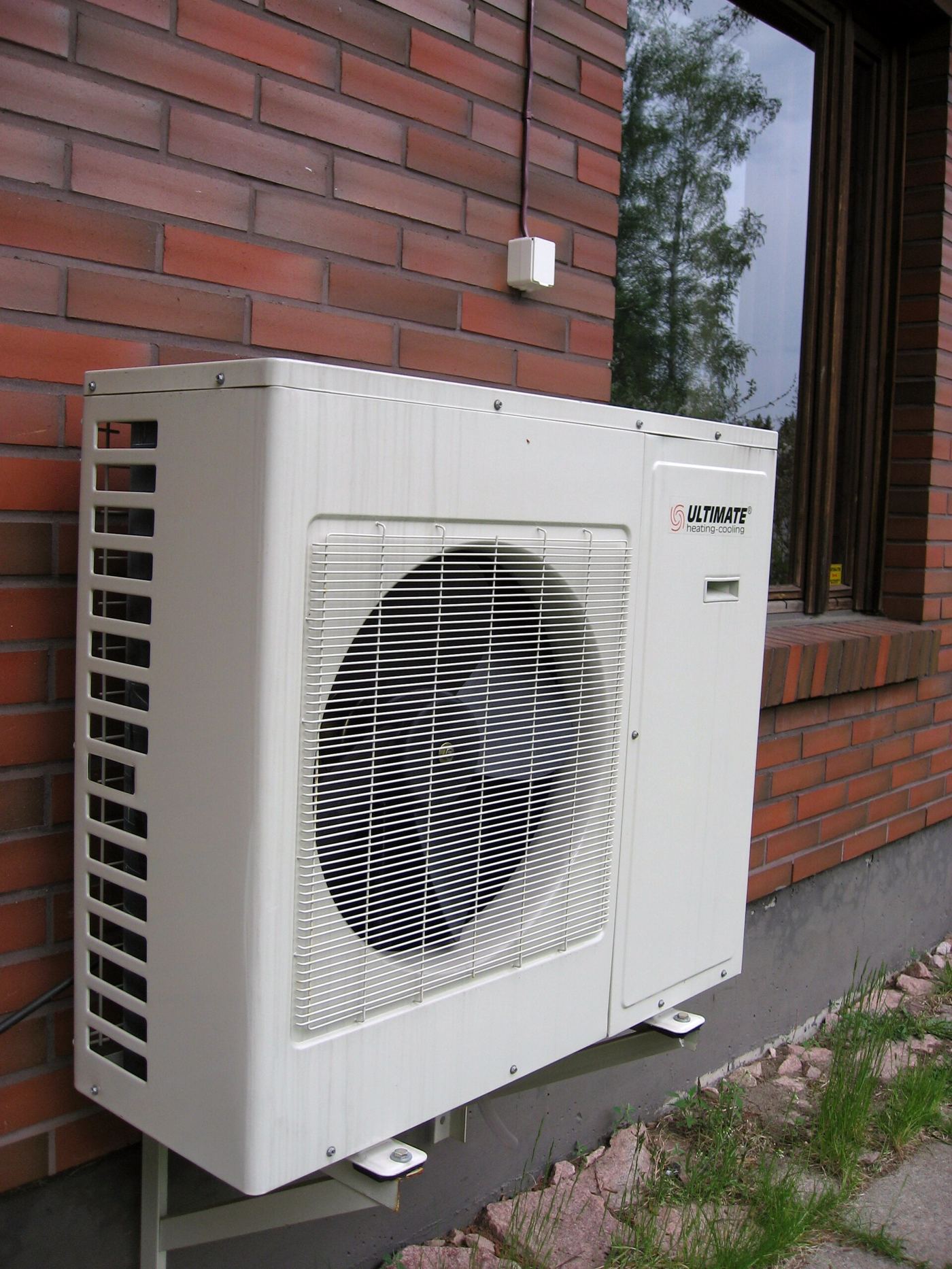
Few home decisions attract stronger opinions than the heat pump. Supporters call it the obvious successor to the gas boiler; sceptics point to the installation bill and stop there. The honest answer depends on arithmetic that varies from house to house — insulation, energy prices, radiators and the size of the unit all move the numbers. Here is how the comparison actually works, in the practical spirit of our blog guides.
The Upfront Numbers
A replacement gas boiler is the cheaper purchase: supply and fitting typically runs to a few thousand, while an air source heat pump system — unit, cylinder, possibly larger radiators and pipework — costs several times more before grants. Government incentives narrow the gap substantially in many countries, and the Energy Saving Trust maintains current figures for typical installations. Ground source systems cost more again but run more efficiently. What matters is judging the heat pump as a 20-year asset, not a like-for-like boiler swap.
Running Costs: Where the Physics Wins
A boiler burns fuel to make heat; a heat pump moves heat from the outdoor air, delivering roughly three units of warmth for every unit of electricity consumed in a well-designed system. Whether that beats gas on the bill depends on the price ratio between electricity and gas — and on the system’s efficiency in your home. Big radiators or underfloor heating, good insulation and a correctly sized unit keep flow temperatures low, which is where heat pumps thrive. A badly specified system in a leaky house is the true origin of most horror stories.
Installation quality is the variable hiding inside every comparison. A heat pump is not a boiler with a fan: it needs a proper survey, correct sizing, weather compensation controls and radiators matched to low flow temperatures. Households that get that package typically report steady warmth and predictable bills; those sold an undersized unit by a rushed installer inherit the complaints that fill online forums. Warranties, servicing costs and the lifespan of the outdoor unit — generally comparable to or longer than a boiler’s — also belong in the spreadsheet. So does the value of freeing a home from gas standing charges altogether, a saving owners often forget to count in the heat pump’s favour.
Comfort, Carbon and the Verdict
Heat pumps heat steadily rather than in blasts, which many owners find more comfortable once they adjust, and they cut a home’s direct carbon emissions dramatically — more each year as the grid gets cleaner. Traditional boilers still win on familiarity, compactness and upfront price, and in homes where insulation cannot be improved, they may remain the pragmatic choice for now. For a well-insulated home with high heating demand, though, the lifetime maths increasingly favours the heat pump. Readers comparing quotes will find more energy guidance across our apps review and home sections — and should always get a proper heat-loss survey before signing anything.
